
If you’re standing in front of the mirror trying to decide on your next cut, chances are you’ve landed on the same question a lot of our East Village clients ask: low taper vs low fade — which one actually looks better, and which one fits your day-to-day life? Both cuts keep the sides and back short and blended, but the way they’re executed, how they grow out, and how much upkeep they need are genuinely different. At PHD Barbers, our East Village team walks clients through this exact decision every week, so we put together a straightforward guide to help you choose with confidence before you sit in the chair.
What Is a Low Taper Haircut?
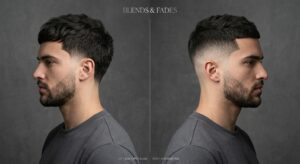
A low taper keeps the length change close to the hairline — right around the ears and the nape of the neck — and blends gradually into the length on top. There’s no hard line and no dramatic contrast between the sides and the top. It’s the cut GQ and other menswear outlets keep pointing to as one of the defining looks of 2026, largely because it grows out cleanly and never looks like it needs an emergency touch-up.
The appeal is subtlety. A low taper reads as neat and professional without looking like you just left the barbershop. It works with almost any hair type, from straight to curly, and it’s especially popular with guys who want a haircut that still looks sharp two or three weeks after their appointment.
What Is a Low Fade Haircut?
A low fade also starts its shortest point low, near the hairline, but it moves through more visible zero-to-longer length changes as it blends upward — often with more contrast and a slightly crisper line than a taper. It’s still a subtle fade compared to a mid or high fade, but the transition is a bit more defined, which gives the cut a sharper, more sculpted finish.
If you want your haircut to look freshly cut with a bit more edge, a low fade is usually the better call. It pairs especially well with textured tops, hard parts, and beard fades for guys who want everything to line up.
Low Taper vs Low Fade: The Key Differences
When clients ask us to settle the low taper vs low fade debate, we usually break it down into three things: contrast, maintenance, and overall vibe.
- Contrast: A taper blends gradually with minimal contrast; a fade creates a more visible, sculpted transition.
- Maintenance: Tapers grow out softly and can often stretch to five or six weeks between visits; fades show growth sooner and usually need a refresh every two to three weeks.
- Vibe: Tapers lean classic, low-key, and office-friendly; fades lean sharp, current, and a little more done.
Neither cut is objectively better — the right choice in the low taper vs low fade decision really comes down to how much upkeep you want and how much contrast you like around your hairline.
Which Face Shapes Work Best With Each Style
Round and Square Faces
A low fade’s added contrast near the temples can help create the illusion of length and structure, which tends to flatter rounder faces. Square faces also handle the sharper lines of a fade well, especially when paired with a textured top.
Oval and Long Faces
A low taper’s softer blend keeps things balanced without adding extra sharp lines to an already elongated face shape. It’s a safer, more universally flattering option if you’re not sure which way to go.
Not sure which shape you’re working with? Our barbers can talk you through it during your consultation — check out our team page to see who’s on the floor, or browse our FAQ for more on how our consultations work.
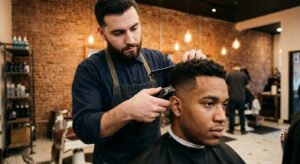
A PHD Barbers stylist blending a low taper for a client in the East Village shop.
Maintenance: Low Taper vs Low Fade Upkeep
Upkeep is usually the deciding factor once style preference is out of the way. Because a low fade has more visible contrast, new growth becomes noticeable faster, especially around the hairline. Most of our clients booking a fade come back every two to three weeks to keep that line crisp.
A low taper is far more forgiving. Since the blend is gradual to begin with, a few weeks of growth doesn’t break the shape the way it can with a fade. If you travel often, have an unpredictable schedule, or just don’t want to think about your hair between appointments, the taper is the lower-effort choice in the low taper vs low fade comparison.
Styling Tips for Both Cuts
Both cuts look best with minimal product — a light matte pomade or texture cream worked through damp hair is usually all you need. Avoid heavy, shiny gels, which can flatten the natural movement that makes both a low taper and a low fade look current rather than dated.
If you’re growing your hair out on top, ask your barber to keep more length so the blend has something to work with. If you keep it shorter, a low taper especially benefits from a bit of natural texture rather than a slicked-back finish.
Which One Should You Choose?
If you want a haircut that grows out cleanly, needs fewer visits, and still looks sharp for work or everyday life, go with a low taper. If you want more definition, a crisper hairline, and don’t mind visiting the shop a little more often, a low fade is the better pick. Either way, both cuts are versatile enough to work for job interviews, first dates, and everything in between.
Still torn? Bring a couple of reference photos to your next appointment and let your barber weigh in — you can browse current rates on our Price & Services page before you book.
PHD Barbers Services to Pair With Your Cut
Here are a few of our most popular pairings for clients choosing between a low taper and a low fade:
| Service | Best Paired With | Book |
| Haircut | Low taper or low fade, your choice | Book Now |
| Haircut & Beard Trim | Low taper + shaped beard for a clean everyday look | Book Now |
| Haircut & Royal Shave | Low fade + sharp shave for a polished finish | Book Now |
| PHD Experience | Full service — cut, beard, and hot towel finish | Book Now |
Book Your Low Taper or Low Fade in the East Village
At the end of the day, the low taper vs low fade decision comes down to personal style and how much maintenance you want to sign up for. Our barbers at PHD Barbers in the East Village can walk you through both options in person and recommend the cut that fits your hair type, face shape, and schedule. According to GQ’s 2026 hair trend coverage, low-contrast, easy-to-maintain cuts like these are only getting more popular this year — so there’s no better time to try one.
Ready to find your fit? Book your appointment at PHD Barbers East Village today.